Icebreaker Games for Teams (That Don’t Make Everyone Want to Hide on Mute)

Let’s talk about icebreaker games — and yes, the awkward reputation they’ve earned over the years 😬
Most people don’t hate icebreakers. They hate the bad ones: overly scripted questions, long pauses, and that uncomfortable feeling of being put on the spot five minutes into a meeting.
But when icebreakers are done right, they do something surprisingly powerful. They turn quiet rooms into conversations, help people relax, and make meetings feel less like a chore and more like a group of humans actually talking to each other.
Especially in remote and hybrid teams, that small shift matters more than we realize.
What Icebreaker Games Are Really Meant to Do 🧊
At their core, icebreaker games aren’t about being funny or clever. They’re about lowering the barrier to participation so people feel comfortable speaking up. A good Icebreaker creates a gentle on-ramp into conversation, giving everyone permission to speak without pressure.
That’s why icebreaker games show up at the start of team meetings, onboarding sessions, workshops, and even retrospectives. When people talk early, they’re far more comfortable talking again later — asking questions, sharing ideas, or even pushing back when it matters.
It’s not magic. It’s just momentum.
Why Icebreakers Matter More for Remote Teams 💻
In an office, connection happens naturally. Someone cracks a joke while grabbing coffee. Another person chats before a meeting officially starts. Remote work removes a lot of those casual moments and replaces them with instant agenda mode: “Alright, let’s get started.”
Icebreakers bring that warm-up back — intentionally. Even a quick, two-minute icebreaker can help people turn on their cameras, unmute their mics, and feel like part of the group instead of just another square on a screen.
And no, it doesn’t have to be deep or personal. Sometimes light, playful questions are exactly what a tired team needs.
Why Some Icebreakers Fall Flat (and Others Don’t)
We’ve all seen icebreakers fail. Usually, it’s for one of three reasons: too much pressure, boredom, or doing the exact same thing every single time.
Good icebreaker games avoid that by being:
Low pressure (easy to answer, no overthinking)
Short and flexible (they fit into real meetings)
Just unpredictable enough to keep things interesting
That’s where interactive icebreaker games tend to shine.
Why Interactive Icebreakers Feel More Natural 🎡
Static lists of icebreaker questions work… until they don’t. After a few rounds, people already know what’s coming, and the energy drops.
Interactive icebreaker games add just enough structure to keep things moving without making them feel forced. A little randomness helps. So does taking the decision-making out of the facilitator’s hands.
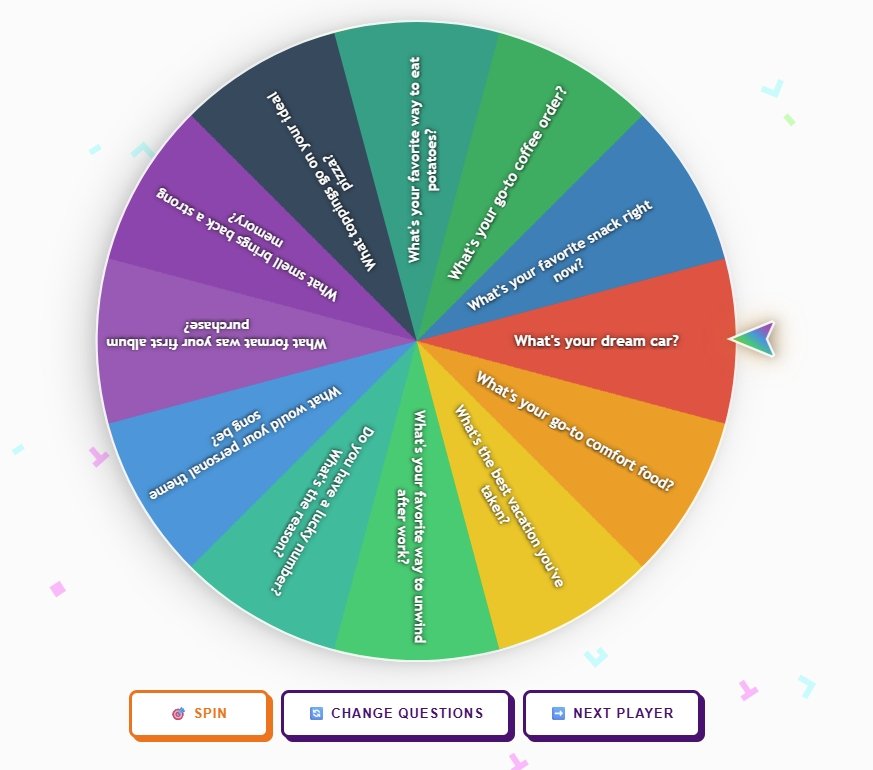
For example, TeamBit Games’ Icebreakers uses a simple spin-the-wheel format. You spin, a question appears, one person answers, and the game flows from there. No awkward “who wants to go next?” moments. No long pauses.
If you’re curious how that works in practice, you can see it here 👉 Virtual Interactive Icebreakers Game
When Icebreakers Make the Biggest Difference ✨
Icebreakers tend to be especially effective during:
Onboarding new team members
Cross-functional meetings where people don’t know each other well
Long workshops or retros that need a reset
Weekly meetings that have started to feel a little… quiet
They’re not about forcing fun. They’re about creating a moment of connection so the rest of the meeting flows better.
The Real Value of Icebreakers
Icebreaker games aren’t a gimmick. They’re a simple way to help people feel comfortable showing up as themselves before switching into “work mode.”
When icebreakers are short, inclusive, and interactive, they stop feeling awkward and start feeling useful. And meetings, especially remote ones, are just better when people feel comfortable speaking.